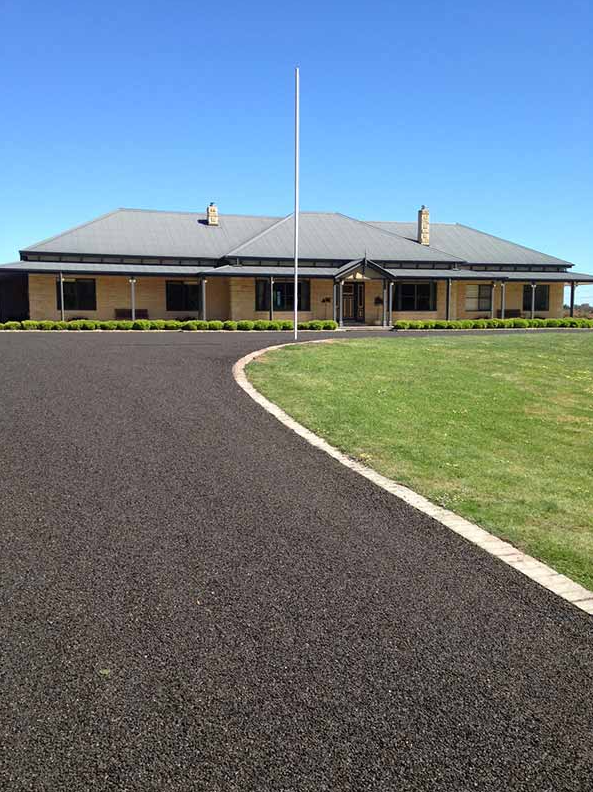
A worn road does not always need to be completely removed and reconstructed. In many cases, the existing pavement may still have a sound underlying structure even though the surface has become cracked, weathered or uneven. When this happens, an asphalt overlay can provide an effective way to restore the road and extend its useful life.
An asphalt overlay involves installing a new layer of asphalt over an existing pavement after the necessary preparation and repairs have been completed. However, it is not suitable for every damaged road. At Bendigo Road Tech, we assess asphalt and bitumen surfaces throughout Bendigo, VIC to determine whether an overlay, targeted repairs or more extensive reconstruction is the appropriate solution.
What Is an Asphalt Overlay?
An asphalt overlay is a resurfacing method in which a new asphalt layer is placed over an existing paved surface. Rather than rebuilding the road from the foundation upwards, the existing pavement becomes part of the supporting structure for the new surface.
Before the overlay is installed, the road must be inspected and prepared. Existing defects may need to be repaired, irregular areas corrected and drainage issues addressed.
When the underlying pavement remains structurally suitable, an overlay can restore a smooth, durable and functional road surface.
When Does a Road Become a Good Candidate for an Overlay?
The condition beneath the visible surface is one of the most important considerations. Asphalt overlays work best when deterioration is mainly confined to the upper portion of the pavement and the underlying base remains stable.
A road may be suitable for an overlay when it has:
- General surface wear and ageing
- Minor to moderate cracking
- Loss of surface texture
- Localised defects that can be repaired first
- Minor surface irregularities
- A structurally stable underlying pavement
A professional assessment is essential because similar-looking surface defects can sometimes have very different underlying causes.
Surface Ageing Without Major Structural Failure
Asphalt naturally changes as it ages. Exposure to traffic and environmental conditions can gradually cause the surface to lose some of its original condition even when the deeper pavement structure remains serviceable.
Signs can include a weathered appearance, minor cracking and general surface deterioration.
Where these problems have not progressed into substantial foundation failure, resurfacing with an asphalt overlay can renew the wearing surface while making use of the existing pavement structure.
When Cracking Is Still Manageable
Not every cracked road requires reconstruction. Minor or isolated cracking can often be repaired as part of the preparation process before an overlay is installed.
The important question is why the cracking occurred.
If cracks are primarily associated with surface ageing and the pavement beneath remains stable, an overlay may be appropriate. If extensive cracking is being caused by movement or failure in the foundation, simply covering the surface may not provide a lasting result.
This is why assessing the cause of deterioration matters just as much as examining its appearance.
Existing Defects Need Attention First
An overlay should not simply conceal existing pavement problems. Damaged sections need to be appropriately treated before the new asphalt layer is applied.
Preparation can involve:
- Repairing potholes
- Removing failed pavement sections
- Correcting localised depressions
- Treating significant cracks
- Improving surface levels where necessary
- Addressing drainage concerns
Thorough preparation gives the new asphalt layer a much stronger platform and reduces the likelihood of existing defects affecting the resurfaced pavement.
Drainage Must Be Considered
Water management is critical to the performance of any road. If the existing pavement has areas where water regularly pools, placing new asphalt over the top without correcting the drainage problem may allow deterioration to continue.
Before resurfacing, the road profile should be assessed to determine how effectively water leaves the pavement.
Correct levels and grading help:
- Reduce standing water
- Limit moisture penetration
- Protect supporting pavement layers
- Reduce water-related deterioration
- Support longer surface life
For a successful asphalt overlay in Bendigo, drainage should form part of the assessment rather than being treated as an afterthought.
When an Overlay May Not Be Appropriate
There comes a point where resurfacing an existing road is unlikely to address the real problem. If deterioration extends deeply into the pavement structure, more substantial corrective work may be required.
Warning signs can include:
- Widespread structural cracking
- Extensive pothole formation
- Significant rutting
- Large sunken or unstable sections
- Severe base deterioration
- Repeated failure in previously repaired areas
In these situations, the underlying pavement may no longer provide sufficient support for a new asphalt layer.
Installing an overlay without resolving structural problems can allow the same defects to reappear in the new surface.
How an Overlay Improves Road Performance
Where conditions are suitable, a professionally installed asphalt overlay can substantially improve the performance of an ageing road.
The new surface can provide:
A smoother driving surface
An overlay corrects general surface wear and minor irregularities, improving ride quality and vehicle movement.
Renewed surface integrity
Resurfacing creates a continuous new wearing layer over the prepared pavement, restoring areas affected by general ageing and deterioration.
Improved surface drainage
Where levels are appropriately corrected during preparation and resurfacing, the finished pavement can provide more effective water runoff.
Extended pavement service life
By addressing deterioration before major structural failure develops, an overlay can help keep an otherwise serviceable road performing effectively for longer.
Timing Can Make a Significant Difference
The best opportunity for an asphalt overlay is often before deterioration becomes severe. Waiting until extensive structural failure has occurred may mean that resurfacing alone is no longer suitable.
Property owners should consider arranging an assessment when they begin noticing:
- Increasing numbers of cracks
- Isolated potholes
- Rough or worn areas
- Surface depressions
- Changes in drainage
- General loss of pavement condition
Identifying the extent of deterioration early provides more options for restoring the surface appropriately.
Why Professional Assessment Matters
Deciding whether to overlay a road requires more than looking at the visible asphalt. Contractors need to consider the condition of the existing pavement, foundation stability, drainage, traffic demands and the cause of any defects.
At Bendigo Road Tech, we assess worn surfaces carefully before recommending a course of action. Our focus is on identifying what the pavement actually requires rather than simply covering existing problems.
Proper preparation combined with professional asphalt installation provides a far stronger basis for long-term performance.
Asphalt Overlay and Resurfacing in Bendigo, VIC
Road surfaces can deteriorate at different rates depending on construction quality, drainage, traffic and ongoing maintenance. For property owners and businesses in Bendigo, understanding the condition of an ageing pavement is therefore an important first step before deciding how it should be restored.
Bendigo Road Tech provides professional asphalt and bitumen surfacing, repairs and resurfacing throughout Bendigo, VIC. We can assess worn pavement and determine whether an asphalt overlay is suitable or whether underlying defects need more extensive attention first.
Conclusion
Asphalt overlay is often the right solution when a road has become worn but still retains a stable underlying pavement structure. It can address general surface ageing, manageable cracking and minor irregularities while creating a renewed surface capable of providing reliable ongoing performance.
The key is applying an overlay at the right time and only after existing defects, drainage and pavement condition have been properly assessed. Covering serious structural damage will not resolve the underlying cause.
If you have a worn road in Bendigo, VIC and are unsure whether it requires repairs, resurfacing or more extensive work, contact Bendigo Road Tech. We can assess the existing pavement and recommend a practical asphalt or bitumen surfacing solution based on the actual condition of the road.
Call us on: 03 5609 3573
Click here to find out more about Bendigo Road Tech
Click here to complete our contact form and see how we can help with your driveway needs.